Over the past few years, I have visited many Chinese companies looking to expand internationally. Whether in precision manufacturing, new energy, or consumer goods, I have heard almost the same frustration everywhere I go: “Our technology is on par with the best overseas. Our products are sold around the world. So why do we still feel like we have no voice on the international stage?”
I have thought about this question for a long time. My answer comes down to one sentence: because you are exporting products, not knowledge.
In the international business world, a company’s “knowledge identity” matters just as much as its technical capabilities — sometimes more. Knowledge identity means this: when international peers, procurement managers, investors, and industry researchers search your field in the global information network, can they find you? And when they do, what do they see — a professional image you have defined for yourself, a label someone else has put on you, or nothing at all?
I once looked up a Chinese manufacturer with thirty years in its industry and technology that led the field domestically. I searched Google Scholar, global library databases, and international industry publications. The results were almost entirely blank. Their technical achievements were locked away in Chinese patent filings. Their process standards sat in internal workshop manuals or in Chinese-language standards repositories. This is not an isolated case — it is the common condition of Chinese companies going global: strong technology, no visibility; solid achievements, no standards.
Looking back at China’s corporate globalization, the journey has broadly unfolded in two phases — yet neither phase has resolved the fundamental problem.
In the 1.0 era of contract manufacturing, “Made in China” powered its way deep into global supply chains. But without the ability to command brand premiums, Chinese companies remained invisible beneficiaries of the globalization dividend — products everywhere, names nowhere, with the lion’s share of profits going to overseas brand owners.
In the 2.0 era of cross-border e-commerce, companies finally came face to face with global consumers. But a new vulnerability emerged: their fortunes became tied to platform rules. The data, reviews, and traffic accumulated on these platforms belonged, ultimately, to the platforms — not to the companies themselves. Many businesses recognized this and began building overseas websites, hoping to establish their own brand presence. But the vast majority of these sites were built in-house by domestic teams, lacking genuine international context, localized content, and organic international traffic. They left no trace in the global information ecosystem. These websites were not brand assets — they were digital shells.
After two full phases of globalization, the core problem had still never been addressed: China’s accumulated technical expertise and industry knowledge had never entered the global knowledge system in any form that the international business world could find, reference, or recognize.
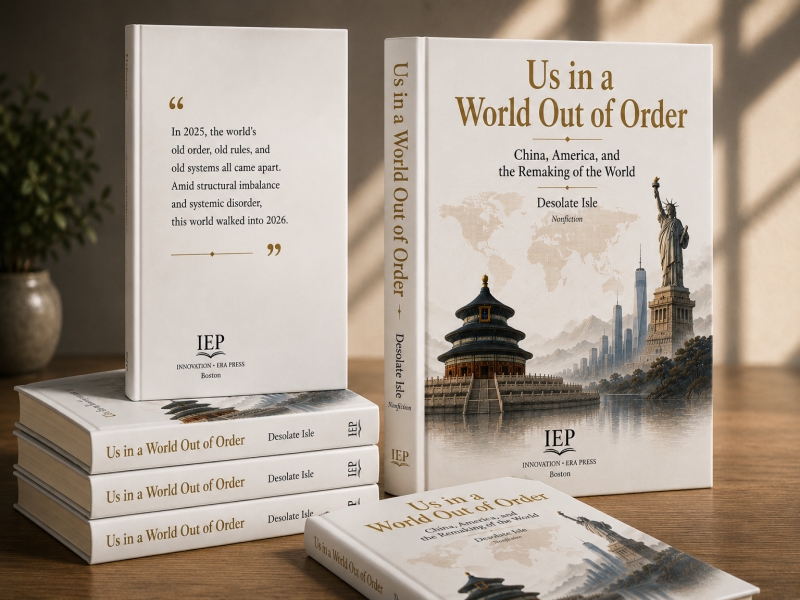
As an international publisher — and as an author with multiple technical works of my own — I have a professional intuition about the value of published works. I am increasingly convinced that transforming a company’s core knowledge assets into multilingual international publications is the most overlooked, and most enduringly valuable, solution to this problem.
Patents expire. Technologies are superseded. But a publication distributed globally, once it enters the international library system, academic databases, and major retail channels, creates a permanent and traceable record of knowledge. It timestamps a company’s earliest public articulation of ideas in a given field — and it stands as one of the most powerful forms of evidence in international legal systems for establishing prior rights. More importantly, when a company’s technical standards, process methodologies, and industry insights appear in global channels in English, French, Spanish, Japanese, and other major languages — cited by peers, referenced by clients, recognized by institutions — the company’s credibility builds in ways that no advertising spend can replicate. This kind of accumulated international authority has a profound and lasting impact on asset valuation, international financing, and brand premium. This is what “knowledge globalization” truly means: not translating a corporate brochure, but transforming a company’s genuine core knowledge into a form the international business world can find, cite, and trust — securing a unique and irreplaceable place on the global knowledge map.
If knowledge globalization was once a nice-to-have, in the age of artificial intelligence it has become critical infrastructure.
Today, procurement managers, partners, and investors around the world increasingly rely on AI tools for market research and business decisions. The core logic of large language models is to train on and retrieve open, high-quality, structured, multilingual knowledge data. A company that leaves no trace in the global publications network, international databases, or multilingual knowledge ecosystem simply does not exist in the AI’s understanding of the world. When your competitors — even a European SME a fraction of your size — have a substantial body of publicly available material in international journals, industry white papers, and global library systems, AI-driven search and recommendation results will systematically exclude you. Knowledge visibility is becoming the most important form of commercial visibility in the AI era.
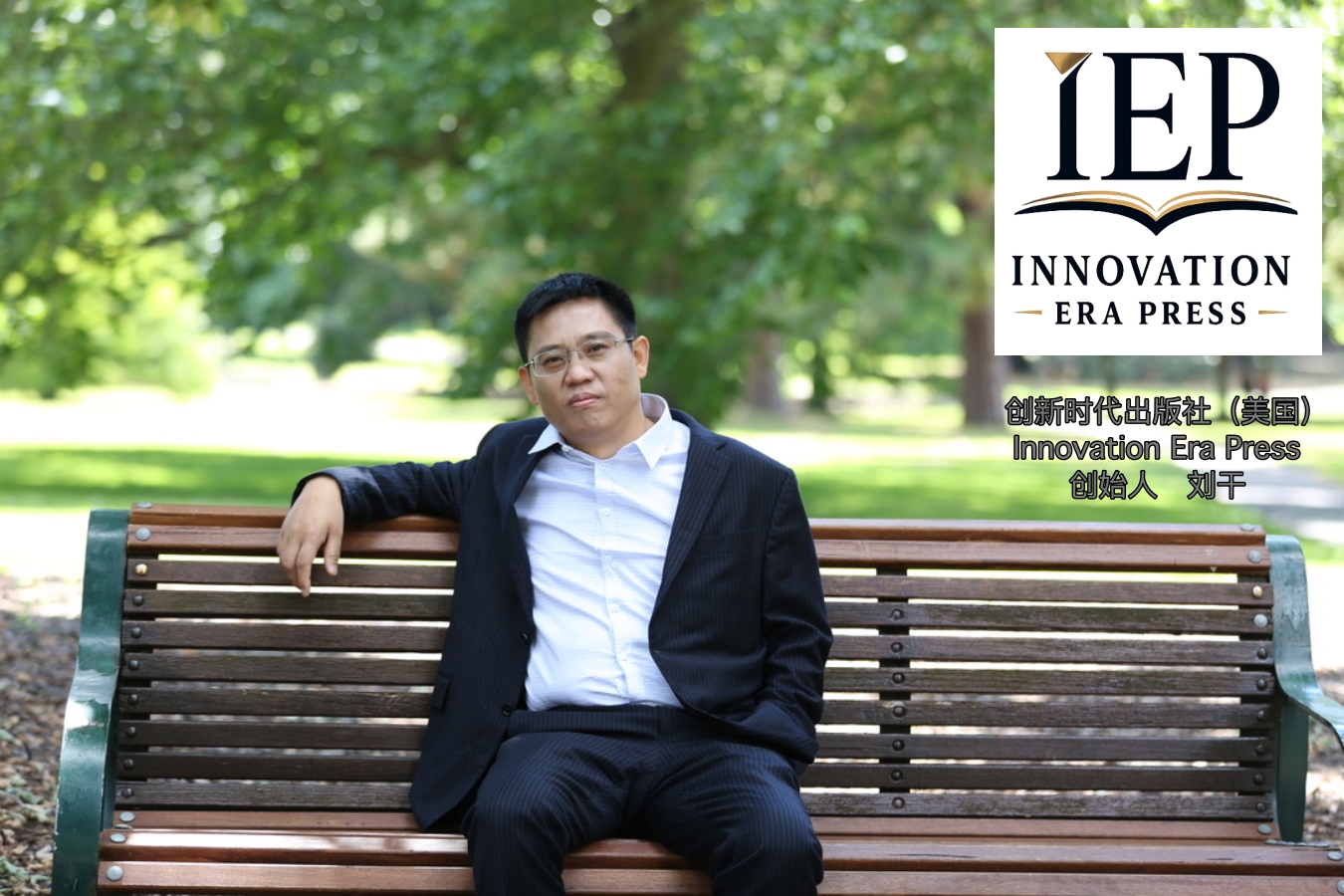
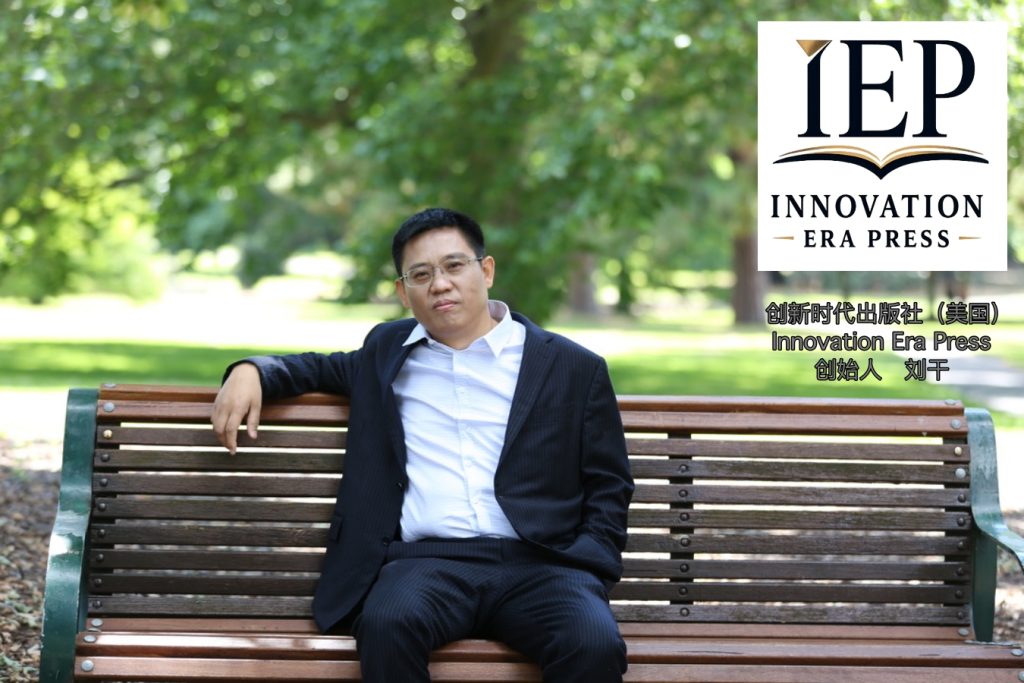
It is precisely on this conviction that I have built Innovation Era Press (IEP, U.S.A.) — with a clear mission: to leverage our international operational presence to help Chinese companies transform their technical achievements, process standards, and industry expertise into multilingual publications with international copyright protection, distributed through global channels including Apple Books, Amazon, Barnes & Noble, and other major online and brick-and-mortar retailers worldwide. The goal is to leave a real, searchable, credible knowledge footprint across the global information network. IEP exists to be the global publishing partner for China’s knowledge IP.
I believe Chinese companies have arrived at a moment when they must level up. From exporting products to exporting standards. From filling shelves to building authority. From following rules to helping shape them. There are no shortcuts on this path — but there is a way forward. Knowledge globalization is a step that cannot be skipped. It is the most solid starting point for Chinese companies on the road to true global presence.
Gan Liu (Desolate Isle) is the founder of Innovation Era Press (IEP, Innovation Era Press U.S.A.), an author, and a veteran international publishing professional with a long-standing focus on international IP strategy for Chinese enterprises.